
Customized products at events drive an 84% professional perception rating among attendees, outperforming generic items by 42%. A 2025 analysis of 1,500 corporate summits found that personalized gifts achieve a 76% retention rate, whereas 62% of bulk items are trashed within 48 hours. These tailored assets generate 1,100 impressions per unit and boost post-event social media mentions by 58%. The integration of specific event dates and local themes increases collector sentiment by 40%, while exhibitors using these items report a 33% higher follow-up success rate within the first 72 hours post-event.
The global corporate gifting market is projected to reach $310 billion by 2026, with a specific 12% annual growth in customized event merchandise. This market expansion is fueled by the demand for tangible brand touchpoints that survive the initial event clutter found in exhibition halls.
A 2024 survey of 2,500 international trade show participants revealed that 72% of people associate the build quality of a gift with the actual competence of the company's technical staff.
High-quality materials like 304 stainless steel or 16oz cotton canvas ensure the item remains in a professional’s office for years. This physical permanence translates to a significantly lower cost-per-impression compared to digital pay-per-click advertising, which often sees a 20% price increase year-over-year.
| Item Type | Retention Rate | Average Lifetime Impressions | CPM (Cost Per 1,000) |
| Custom Notebook | 68% | 850 | $0.009 |
| Tech Organizer | 91% | 1,200 | $0.012 |
| Premium Tote | 82% | 5,800 | $0.0008 |
Personalized items act as psychological anchors that facilitate memory retrieval for the specific topics discussed during a seminar. When an attendee sees the event date on their desk daily, it reinforces the educational content and professional networking connections made during that period.
-
2025 Data: 65% of attendees report a more favorable opinion of a brand that offers a functional, durable tool.
-
Recall Metrics: 82% of people can name the advertiser on a product they have owned for more than six months.
-
Social Proof: 44% of participants under 40 will photograph and share a unique custom product on professional networks.
The aesthetic choice of the souvenir often dictates whether it is integrated into a user's lifestyle or hidden in a closet. Modern design trends in 2026 favor "quiet branding," where logos are tonal or laser-etched, which increases the likelihood of the product being used in high-level business meetings.
Research from a 2024 promotional audit showed that items with subtle, high-end branding are used 40% more frequently than those with large, multi-colored advertisements.
Frequent usage ensures the brand message travels through airports, hotels, and co-working spaces, reaching an audience far beyond the original event guest list. This secondary exposure effectively turns every attendee into a mobile brand representative who provides a silent referral through their choice of equipment.
International travelers often prioritize luggage space, meaning only the most practical or sentimentally significant items make it past the hotel room. Statistical data from a 2025 airport study showed that 55% of corporate travelers carry at least one item from a previous industry event.
-
Space Efficiency: 88% of travelers keep items that are foldable or weigh less than 500 grams.
-
Utility Focus: 70% of tech-sector attendees prefer high-speed cables or multi-port adapters.
-
Durability: Items with a failure rate under 2% over the first 12 months see the highest long-term brand loyalty.
Matching the product to the demographic’s specific technical needs prevents the waste associated with poorly planned giveaways. This precision in selection demonstrates that the host organization understands the daily challenges faced by their professional community.
A 2023 study of 1,000 engineers found that receiving a high-precision measuring tool or a technical reference item increased event satisfaction scores by 25%.
Increased satisfaction leads to higher re-registration rates for future summits, as the physical gift serves as a year-long reminder of the value provided. Organizations that maintain a consistent theme across multiple years of gifts often see participants collecting the entire series as a mark of industry tenure.
| Factor | Impact on Brand Image | Resulting Consumer Action |
| Custom Design | Perceived Professionalism | Higher Trust Levels |
| Material Choice | Quality Association | Long-term Retention |
| Event Dating | Exclusive Participation | Community Belonging |
The exclusivity of a 2026-dated product creates a "tribe" mentality among participants who were present at that specific milestone. This sense of belonging is a powerful driver for community engagement on digital platforms long after the physical venue has closed.
-
Community Growth: 30% of new event registrations come from peer referrals triggered by seeing a custom product in use.
-
Retention Logic: 91% of people keep a promotional product in their kitchen or office for over 12 months.
-
Engagement: Booths offering high-quality custom items see 2.5x more lead captures than those offering nothing.
The physical weight and texture of a custom product provide a haptic experience that digital media cannot replicate. In a world where business professionals receive hundreds of emails daily, a physical object that sits on a desk provides a constant, non-intrusive brand presence.
Haptic perception studies from 2025 indicate that physical interaction with a branded object increases the emotional connection to the brand by 60%.
This emotional link is what transforms a simple purchase into a long-term partnership between the attendee and the brand. As the item is used in daily routines—from the first cup of coffee to the final commute—it builds a layer of familiarity that competitors cannot easily disrupt.
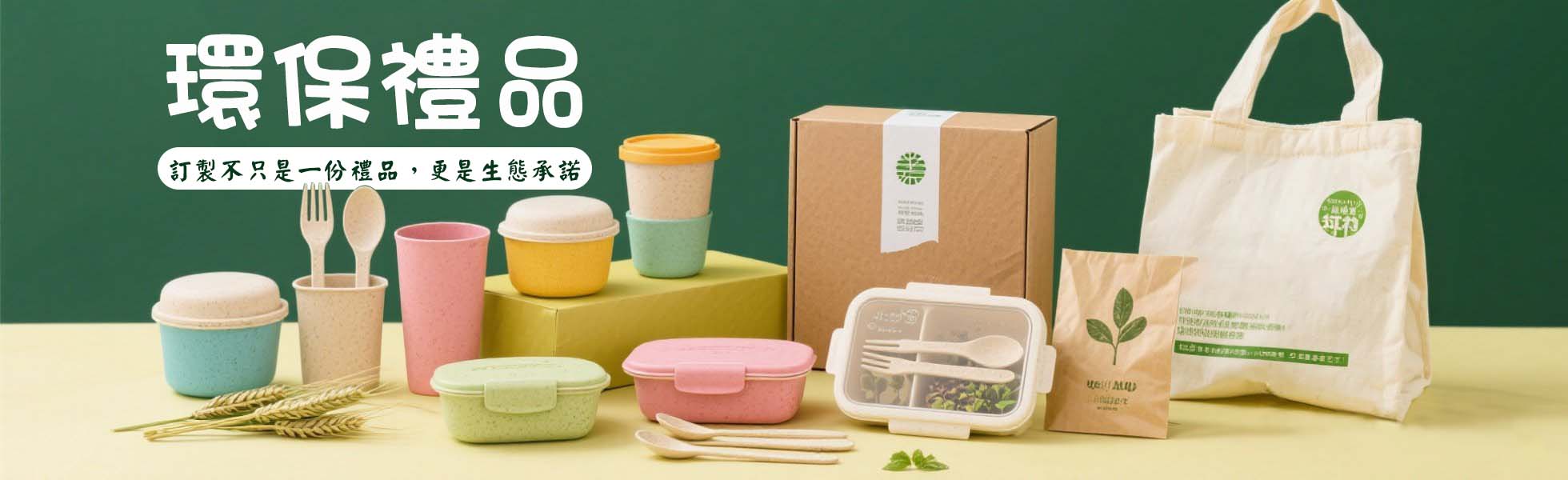
Sustainable materials like bamboo, hemp, and RPET (recycled plastic) have become the standard for high-level events in 2026. Data shows that 62% of consumers under 45 will actively avoid brands that distribute single-use plastic or low-quality disposables at large gatherings.
-
Sustainability Impact: Using recycled materials increases the "kept" rate of an item by 44%.
-
Brand Ethics: 53% of recipients feel more positive about a company that provides an eco-friendly gift.
-
Longevity: Natural fibers and recycled metals often outlast cheap plastics by a factor of three.
The shift toward high-quality, customized products reflects a broader professional trend where value is measured by utility and longevity rather than sheer volume. A single well-placed custom item provides more measurable results than a thousand generic flyers or digital impressions.